Heating or cooling problem? Get connected with a local HVAC tech.
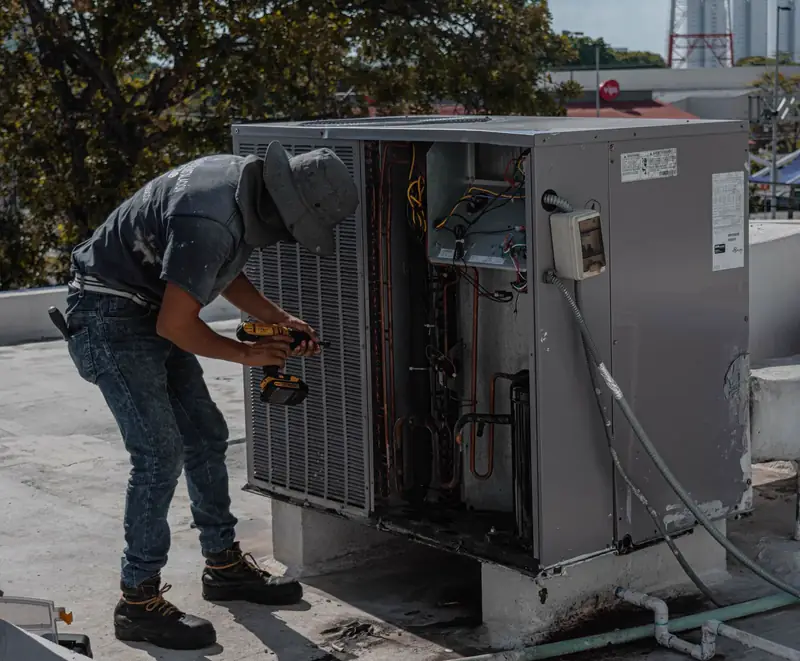
A furnace that quits on a freezing night, an AC that blows warm air in a heat wave — heating and cooling problems don't wait for business hours. AirFlow HVAC is a free referral service: tell us what's happening and we'll connect you with an independent local HVAC tech in your area who fits the job. The pro diagnoses the problem, explains the fix in plain language, and you work directly with them.
Emergency calls routed first for no-heat and no-cooling emergencies.
AirFlow connects you with independent local HVAC pros. It does not perform HVAC work itself.
A nationwide heating and cooling connection that explains the job in plain language before anyone picks up a wrench — then connects you with an independent local HVAC technician who fits the work.
No heat or no cooling?
Skip the form — call and emergency requests route first for no-heat and no-cooling emergencies.
New York City · Buffalo · Rochester · Yonkers · Syracuse
Check your ZIP
Get connected
A few details and we'll match you with a local HVAC tech.
AirFlow connects you with independent local HVAC pros. It does not perform HVAC work itself.
Nationwide know-how
HVAC knowledge that changes the job
Heating and cooling problems follow patterns — weather, humidity, and housing age shape every call.
Heat waves strain cooling systems
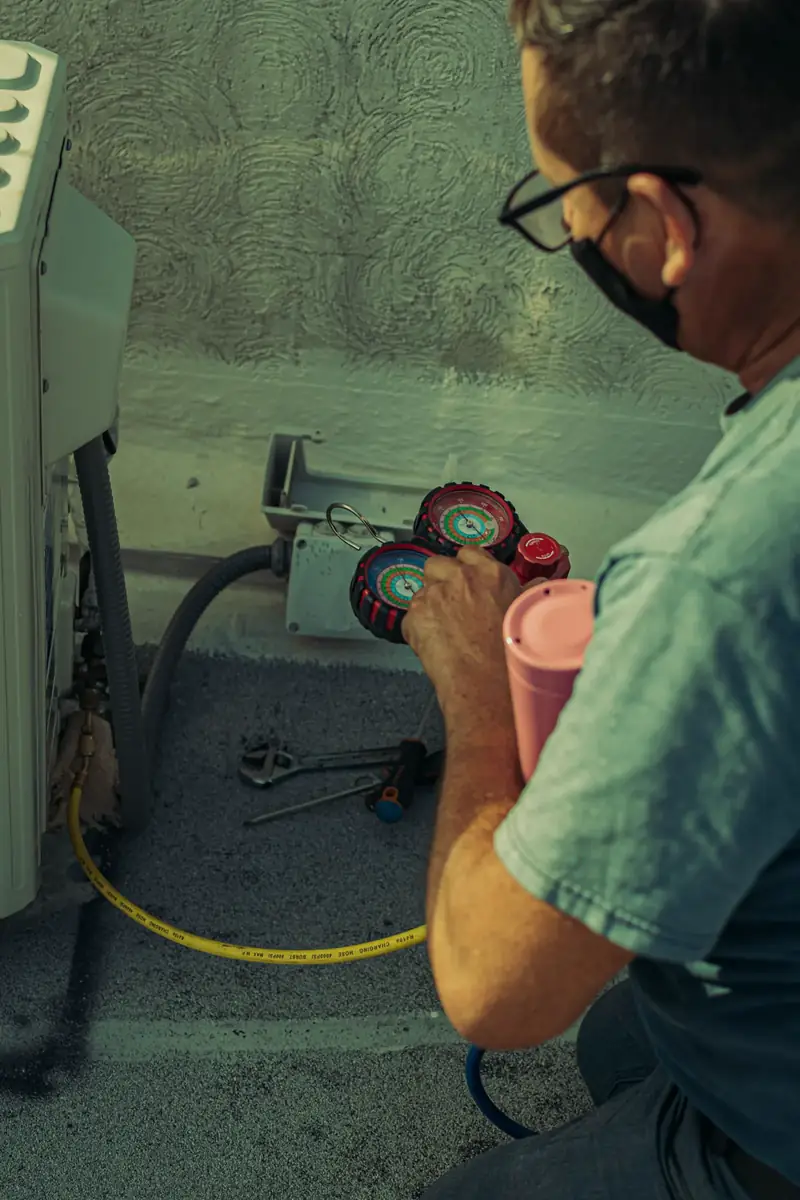
Long stretches of high heat push air conditioners to run for hours without a break. A unit low on refrigerant or starved of airflow can't keep up — which is why cooling systems across a whole neighborhood tend to fail on the same scorching weekend.
Cold snaps find the weak furnace
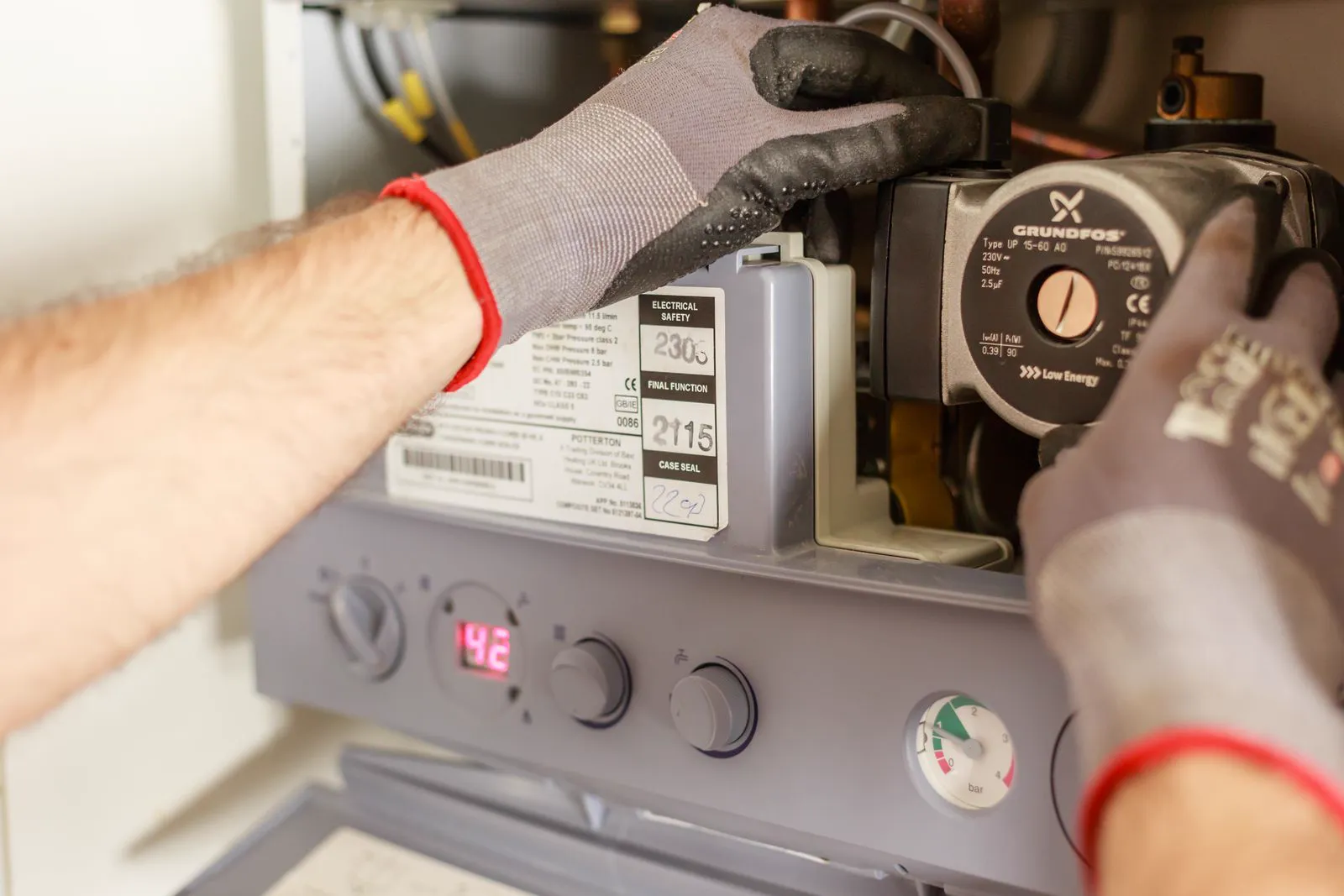
A furnace that limps along in mild weather can quit entirely on the first hard-freeze night. Learn your system basics before winter — a no-heat call at 2 a.m. is how most homeowners discover their furnace's age.
Clogged filters choke airflow
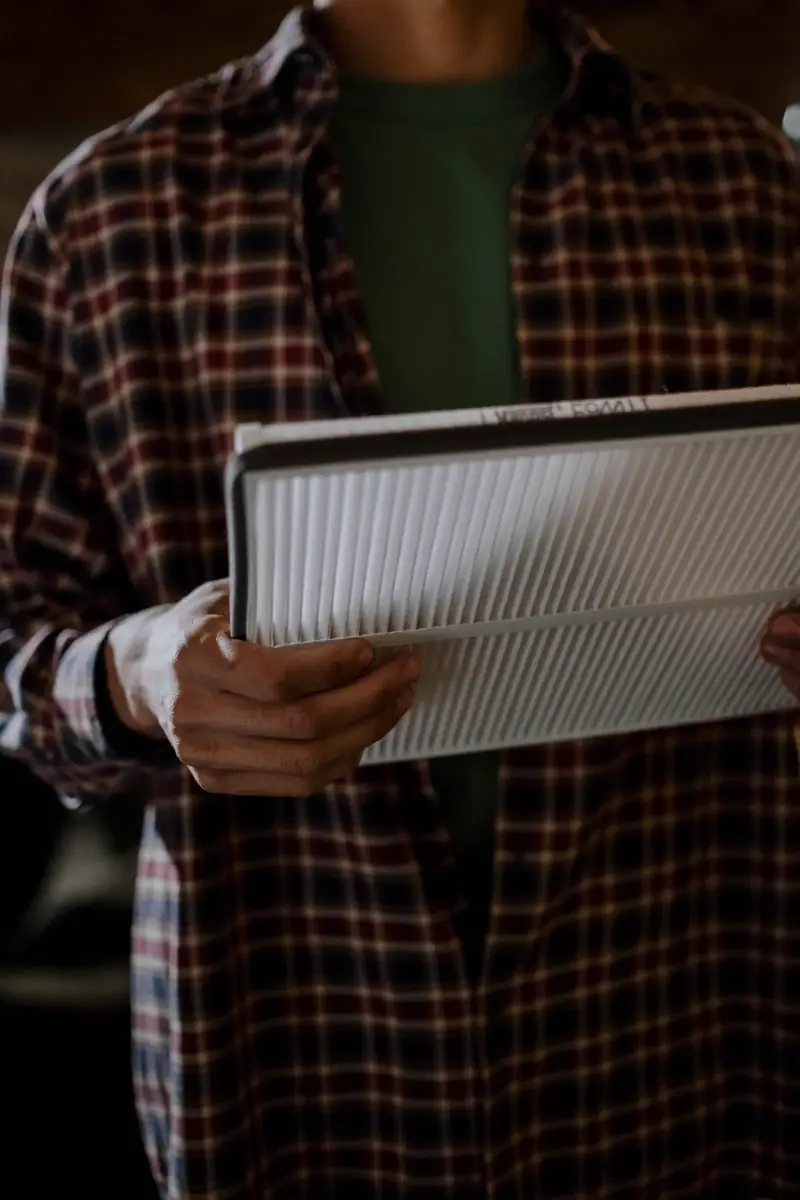
Restricted airflow forces the whole system to work harder — rooms that never quite reach temperature, longer runtimes, and higher bills. A dirty filter is the most common airflow problem and the easiest to prevent.
Learn
Guides for homeowners
Straight answers on what to do first, what to avoid, and how to hire the right HVAC tech.
No. AirFlow HVAC is a free referral service. We connect you with up to three independent local HVAC professionals, and you work directly with the pro you choose. We do not employ technicians, own trucks, or perform the work ourselves.
The main factors are what failed and how hard it is to reach, the age and type of your equipment, parts needed, whether ductwork or refrigerant work is involved, and timing — after-hours calls typically carry an emergency rate. We do not quote prices sight unseen; a pro assesses your specific job.
No heat in freezing weather, no cooling during extreme heat, a burning smell from vents, or a gas odor are emergencies — call right away. First, shut off the system for electrical smells, and if you smell gas, leave the house and call your gas utility before anyone else. We never promise a specific arrival time we cannot control.
Repair when the system is under about 10 years old and the failure is a single replaceable part — a capacitor, contactor, igniter, or blower motor. Consider replacement when the unit is past its expected service life, the heat exchanger or compressor has failed, or repairs are becoming a yearly habit.
Safe DIY covers replacing the air filter, checking thermostat batteries and settings, resetting a tripped breaker, and clearing leaves and debris from around the outdoor unit. Call a pro for anything involving refrigerant, gas lines, or internal electrical work — those carry real safety and legal risks.
The most common HVAC cause is a system losing efficiency — a clogged filter or coil, failing components, leaky ductwork, or refrigerant running low. Start by replacing the filter and checking for obvious issues like blocked vents; if the bill stays high, a pro's tune-up finds what you cannot see.
A tune-up catches worn parts before they fail, keeps airflow and refrigerant charge where they should be, and often restores efficiency that has drifted down. Most manufacturers also expect documented maintenance to keep equipment warranties in force.
No — refrigerant work is pro-only. Handling, adding, or recovering refrigerant requires certified equipment and EPA certification, and venting it to the atmosphere is illegal. If your system is low on refrigerant, it also has a leak that a pro needs to find and fix.
We connect homeowners with independent HVAC professionals across all 50 states — from major metros to smaller cities. Enter your ZIP on any location page to check coverage in your area.
Major installations and gas or electrical changes usually require a permit, and requirements vary by city and county. The pro you hire handles the permit paperwork as part of the job — confirm this before work starts so inspections and warranty coverage stay valid.