Duct Cleaning & Indoor Air Quality
Duct cleaning removes accumulated dust, debris, and microbial growth from your ductwork — worthwhile after renovations, with visible mold, or when vents blow visible dust. Beyond ducts, filtration upgrades, humidity control, and ventilation address the air itself. AirFlow HVAC connects you with an independent local HVAC pro — you work directly with the pro you choose.
- Connected with an independent local pro — never a call center queue.
- The process explained up front, before anyone picks up a wrench.
- Serving all 50 states.
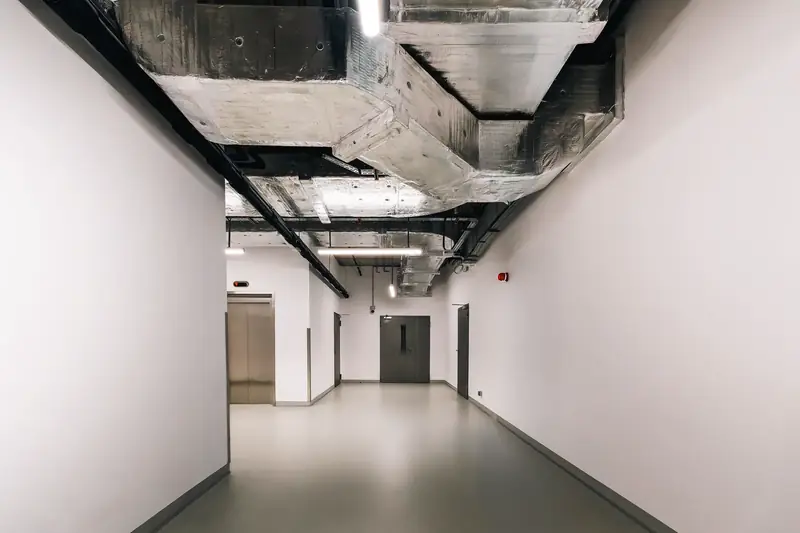
Your ductwork is the lungs of your home's HVAC system — every cubic foot of heated or cooled air passes through it. Over years, ducts collect dust, construction debris, and in damp conditions, microbial growth. Cleaning makes the biggest difference when there's a specific reason: a recent renovation, visible mold, or dust visibly puffing from vents.
But ducts are only half the air-quality story. The air itself may need better filtration, humidity control, or fresh-air ventilation — especially in tight modern homes where pollutants concentrate. A good pro distinguishes between 'your ducts are dirty' and 'your air needs help,' because the fixes are different.
AirFlow HVAC is a free referral service — we don't clean ducts ourselves. Tell us what you're noticing and we'll connect you with up to three independent local HVAC contractors. AirFlow HVAC connects you with an independent local HVAC pro — you work directly with the pro you choose.
- Typical first step
- Stop the water source, then document everything with photos.
- Emergency capable
- For active emergencies, call and we'll route you immediately.
Warning signs
Signs you need this service
- Visible dust puffing from supply vents when the system starts.
- Musty or stale odors that appear only when heating or cooling runs.
- Recent renovation work that filled the home with construction dust.
- Visible mold growth inside ductwork or on vent covers.
- Allergy or respiratory symptoms that ease when you leave the house.
What happens
The process, step by step
Inspection first: the pro checks duct condition, access points, and whether cleaning is actually warranted.
Source removal: agitation tools loosen debris while high-powered vacuum collection captures it — not just blowing it around.
Component cleaning: coils, blower, and drain pan addressed where accessible, since dirty components re-contaminate clean ducts.
Air-quality options: filtration, humidification, or ventilation recommendations based on what was found.
Cost factors
What influences the cost
Every job is different, so we won't quote prices sight unseen. These are the factors a pro will weigh when pricing your job:
- System size — number of vents and total ductwork length.
- Duct accessibility — attic, crawl space, or finished-wall runs.
- Level of contamination — light dust versus heavy debris or mold.
- Whether the air handler components need cleaning too.
- Add-on air-quality equipment like upgraded filtration or humidifiers.
DIY guidance
What you can do — and when to stop
Safe to do yourself
- Replace your HVAC filter regularly — it's the single biggest air-quality lever.
- Vacuum vent covers and keep supply registers unblocked.
- Control indoor humidity — mold needs moisture to grow in ducts.
- Change filters after any renovation work.
Stop and call a pro
- Cutting into ductwork to inspect it yourself — you can damage seals and insulation.
- Spraying disinfectants or sealants into ducts without knowing what's in there.
- Assuming duct cleaning fixes allergies without addressing filtration.
- Hiring based on a coupon price without verifying the cleaning method.
Frequently asked questions
Serving towns nationwide
Related services

Helpful guides
Heating or cooling problem? Don't wait on it.
Tell us what's happening and we'll connect you with an independent local HVAC technician who fits the job.