HVAC guides for homeowners
Straight answers on heating and cooling: what to do when your heat or cooling quits, how to hire the right pro, and how to prevent the most common problems. General information — not a substitute for a professional assessment of your home.
1 guide
Emergency
1 guide
Hiring a Pro
2 guides
Buying Guides
Furnace vs. Heat Pump: Which Is Best?
A furnace generates heat by burning fuel or using electric resistance, delivering strong heat in any weather. A heat pump moves heat from outdoor air, heating and cooling efficiently but losing capacity in extreme cold. Climate, existing fuel type, and ductwork usually decide. In mild-to-moderate climates a heat pump often wins; in bitter cold, furnaces or dual-fuel setups shine.
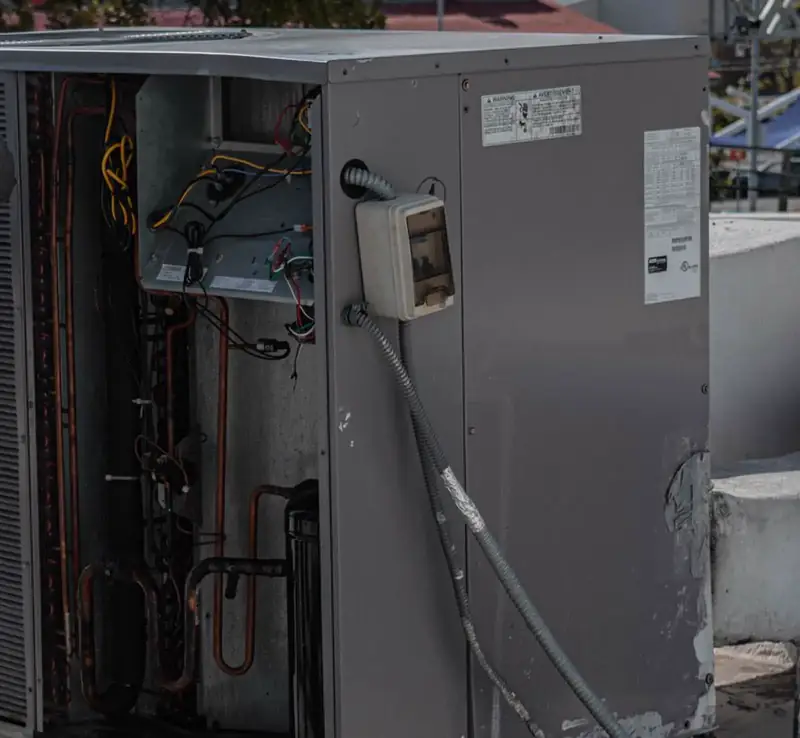
SEER2 Ratings Explained
SEER2 measures how efficiently an air conditioner or heat pump cools over a typical season — higher means more cooling per unit of electricity. It replaced SEER under updated federal test procedures, so compare SEER2 to SEER2 only. Ratings describe the equipment's potential; installation quality, ductwork, and sizing determine what you actually get.
4 guides
DIY & Prevention
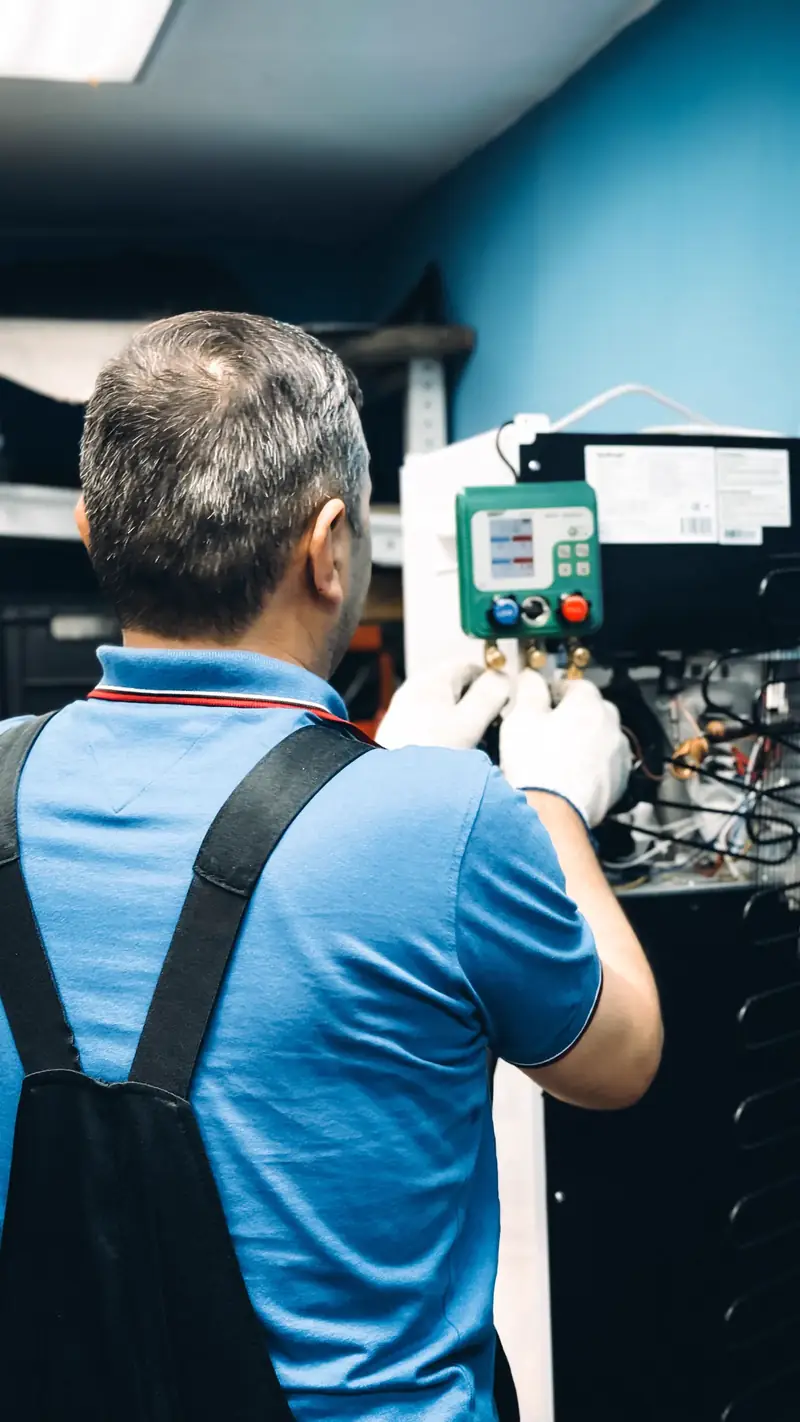
Why Is My AC Freezing Up? Causes and What to Do
An AC freezes up from restricted airflow — usually a clogged filter, closed vents, or a dirty coil — or low refrigerant from a leak. Turn the system off, let the ice thaw completely, then replace the filter and open all vents. If it freezes again, call a licensed pro: refrigerant work is not a DIY job.
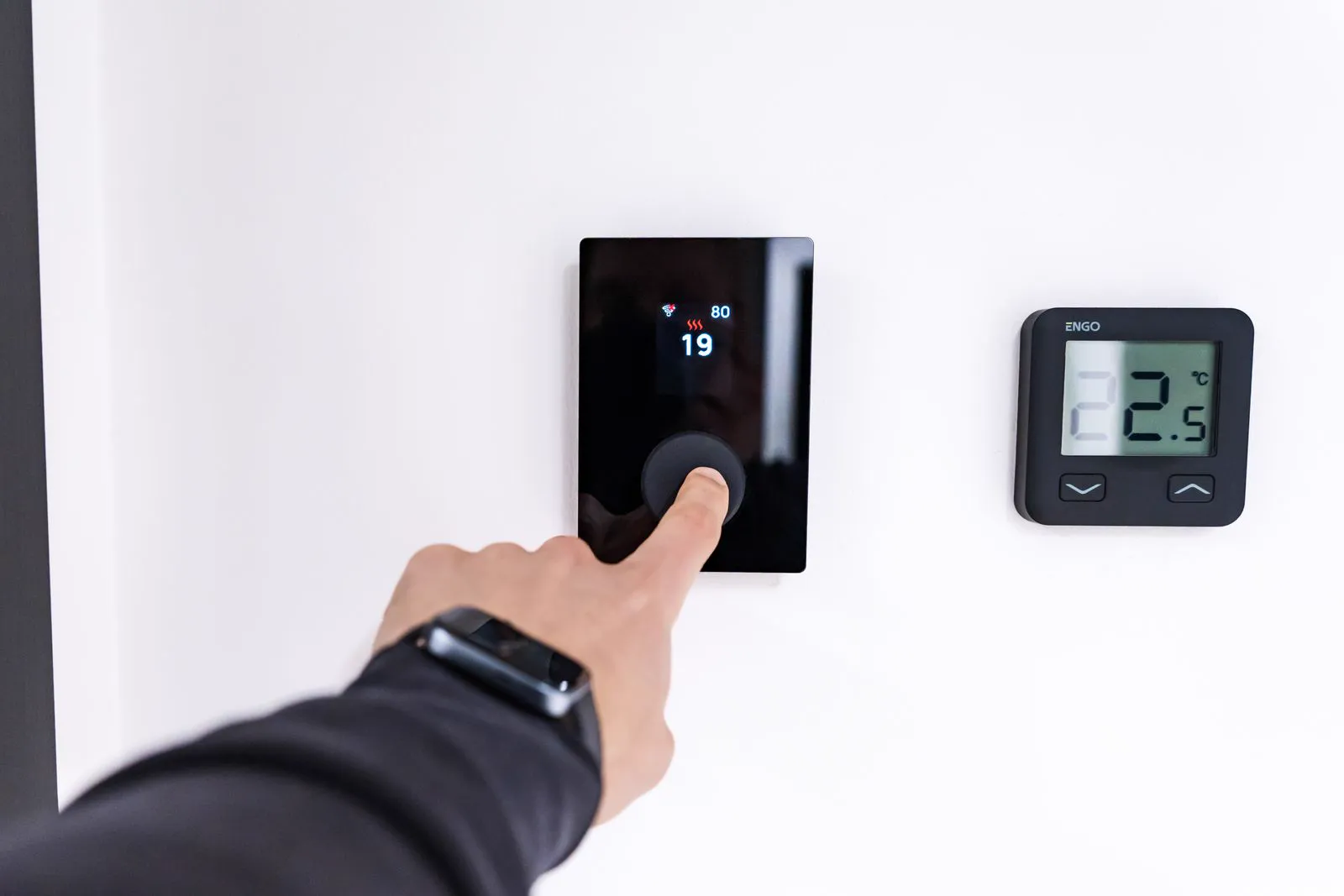
Thermostat Troubleshooting Guide
Most thermostat problems are simple: wrong mode or setpoint, dead batteries, a tripped breaker, or a schedule overriding your setting. Confirm COOL or HEAT mode, replace batteries, check the breaker, and review any programmed schedule. If the screen stays blank or the system ignores a working thermostat, call a licensed HVAC pro.

Prepare Your Heating System for Winter
Prepare your heating system by testing it before cold weather arrives, replacing the air filter, opening all supply vents, and clearing the area around the furnace or indoor unit. Test smoke and carbon monoxide detectors, know your gas shutoff location, and schedule professional maintenance in fall. Catching problems in October beats discovering them on the coldest night.
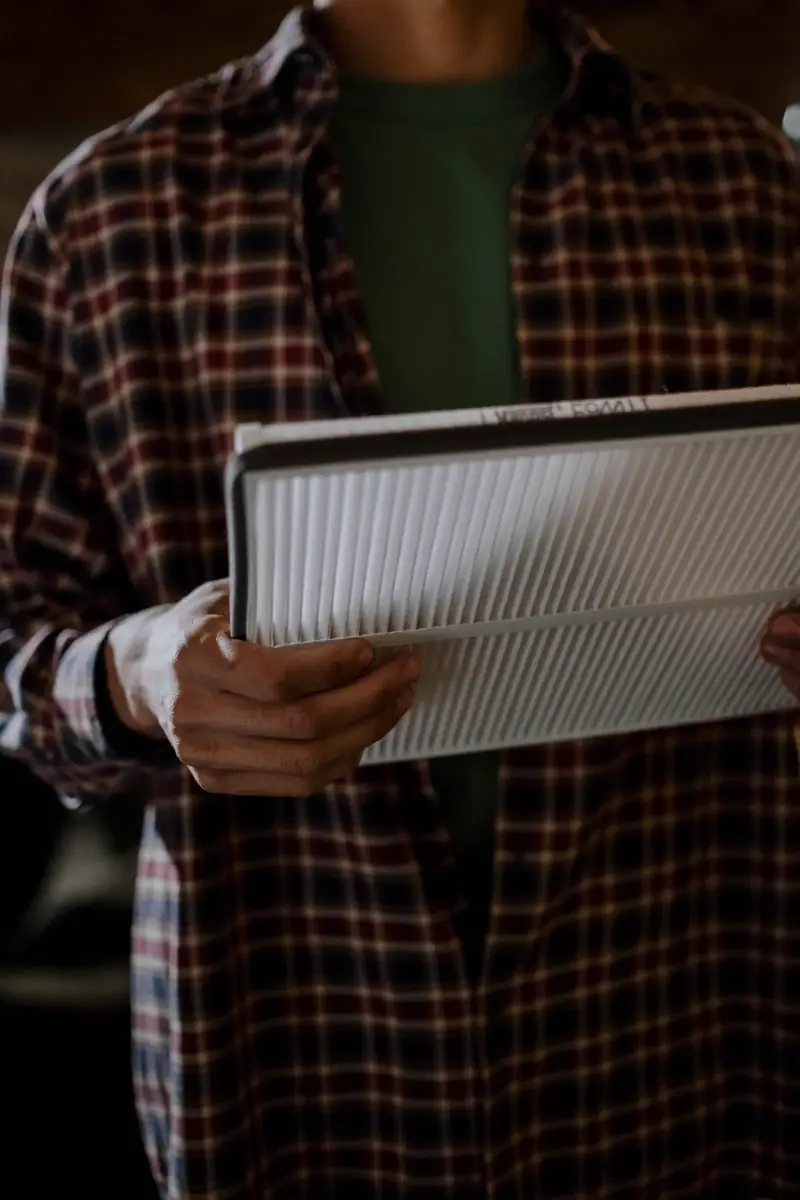
High Energy Bills? HVAC Causes & Fixes
Heating and cooling is typically the largest share of a home's energy use, so HVAC problems show up fast on the bill. Common culprits: clogged filters, dirty coils, leaky ductwork, thermostat issues, and aging equipment losing efficiency. Start with the cheap fixes — filters, vents, thermostat settings — then have a pro evaluate ducts and equipment.
1 guide
Indoor Air Quality
Reading is good. Fixing it is better.
If you have a heating or cooling problem now, guides can wait — get connected with an independent local HVAC tech.