Short answer
Heating and cooling is typically the largest share of a home's energy use, so HVAC problems show up fast on the bill. Common culprits: clogged filters, dirty coils, leaky ductwork, thermostat issues, and aging equipment losing efficiency. Start with the cheap fixes — filters, vents, thermostat settings — then have a pro evaluate ducts and equipment.
Why HVAC dominates your energy bill
Heating and cooling is usually the single largest energy consumer in a home — often roughly half of total usage — which means even modest HVAC inefficiency translates into very visible dollars. A system working 20 percent harder than it should does not just cost 20 percent more; the extra runtime accelerates wear, which degrades efficiency further in a slow downward spiral.
The diagnostic approach: first rule out non-HVAC causes (rate changes, a new hot tub, an electric water heater issue), then compare bills across similar-weather months year over year. A bill that jumps while weather and rates stay flat is telling you something changed — and the HVAC system is the prime suspect.
The usual suspects: filters, coils, and airflow
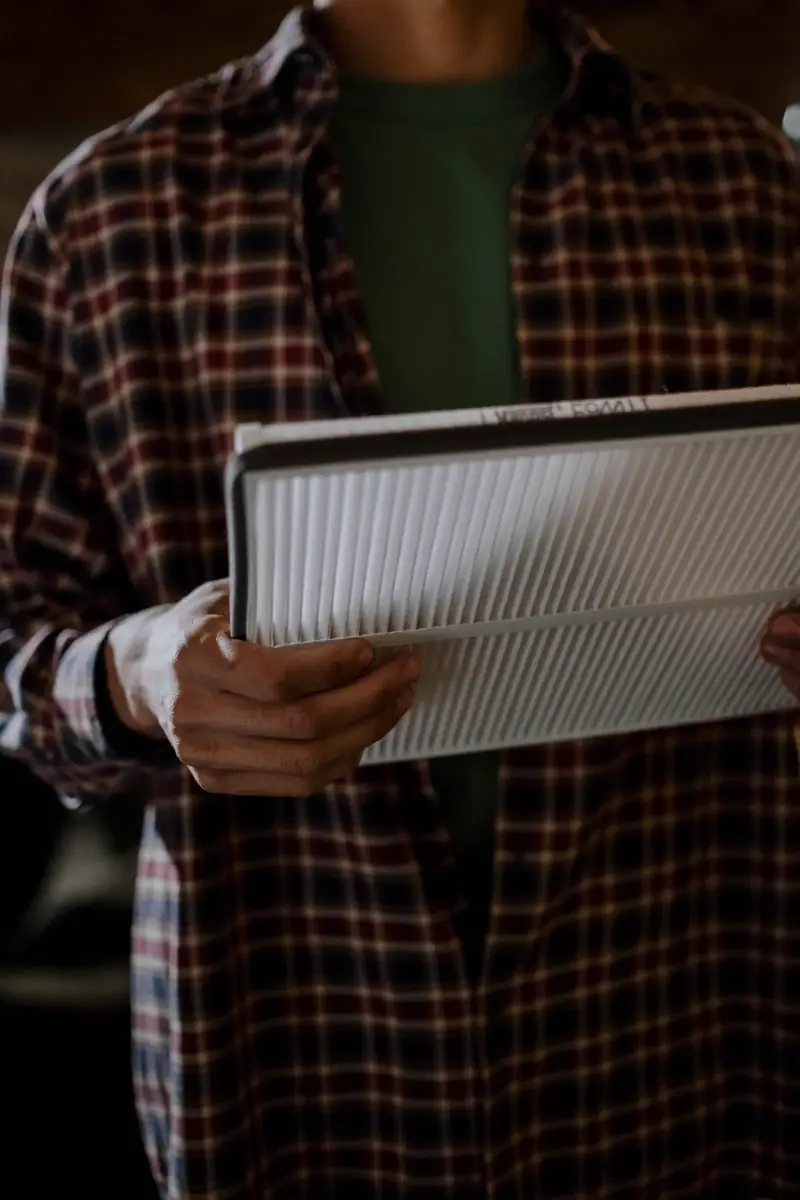
A clogged air filter is the cheapest energy waste in the house: restricted airflow forces longer run times for the same heating or cooling, and in extreme cases overheats furnaces or freezes AC coils. Dirty indoor and outdoor coils are the same story at the heat-transfer level — a coil matted with grime cannot absorb or release heat efficiently, so the system runs longer to do the same job.
These are the highest-return fixes available: replace the filter, open and unblock all supply vents and return grilles, and keep the outdoor condenser coil clear of debris and gently rinsed. If bills dropped the month after you finally changed a long-neglected filter, you have found your culprit.
Thermostat and control issues
Thermostat problems waste energy quietly. A schedule fighting your manual settings, auxiliary heat engaging unnecessarily on a heat pump (often from aggressive setbacks or a misconfigured thermostat), a system short-cycling from an oversized unit or a thermostat in a bad location — all of these burn energy without delivering comfort.
Review programmed schedules, use modest setbacks rather than dramatic ones (especially with heat pumps), and watch for auxiliary heat indicators running in mild weather. A thermostat that has the system running when nobody is home, or heating an empty house to occupied comfort levels all day, is a settings problem, not an equipment problem.
Ductwork: the hidden energy thief
Leaky, disconnected, or poorly insulated ductwork in attics and crawl spaces can waste an enormous share of your heating and cooling before it ever reaches a room — you are paying to condition the attic. Crushed or kinked flexible ducts, ducts that have come apart at connections, and long uninsulated runs are all common in older installations.
Signs of duct trouble: rooms that never reach temperature, weak airflow at distant vents, ducts visibly damaged in the attic, or bills that stay high despite clean filters and serviced equipment. Duct sealing and insulation are among the highest-value energy improvements available, and a technician can test and quantify duct leakage.
Aging equipment and when replacement pencils out
Equipment loses efficiency with age — worn compressors, fouled coils that no longer clean fully, outdated refrigerants, and decades-old furnaces with low fuel efficiency all cost more to run every year. Two or more repairs in recent seasons, rising bills on similar weather, and comfort that keeps declining are the classic signals.
Replacement is a math problem, not an emergency: weigh the remaining life and repair costs of the old system against the efficiency gains of a new one, factoring your climate, usage, and how long you plan to stay. When you do get quotes, compare full matched-system efficiency ratings and insist on proper sizing — an oversized high-efficiency unit still wastes energy short-cycling.
Low-cost wins you can do this weekend
The weekend hit list, roughly in order of return: replace the air filter; open and unblock every vent and return; review and rationalize thermostat schedules; seal obvious air leaks around windows, doors, and attic hatches (infiltration makes the HVAC system fight the outdoors); make sure the outdoor unit has clear airflow; and check that attic insulation has not been compressed or displaced over ductwork.
None of these require a professional or special tools, and together they address the most common reasons bills creep upward. If the bill stays stubbornly high after the basics, that is the signal to have a technician evaluate the ducts, the refrigerant charge, and the equipment itself.
- Replace the air filter and open all vents.
- Rationalize thermostat schedules and setbacks.
- Seal obvious air leaks around the home envelope.
- Clear and rinse the outdoor condenser coil.
- Check attic insulation over and around ductwork.
- Still high? Have a pro test ducts and equipment.