Heat Pump Repair, Installation & Service
Heat pumps both heat and cool by moving heat rather than making it, which makes them efficient — but they have their own failure modes: reversing valve problems, defrost failures, refrigerant leaks, and auxiliary heat running constantly. AirFlow HVAC connects you with an independent local HVAC pro for heat pump service — you work directly with the pro you choose.
- Connected with an independent local pro — never a call center queue.
- The process explained up front, before anyone picks up a wrench.
- Serving all 50 states.
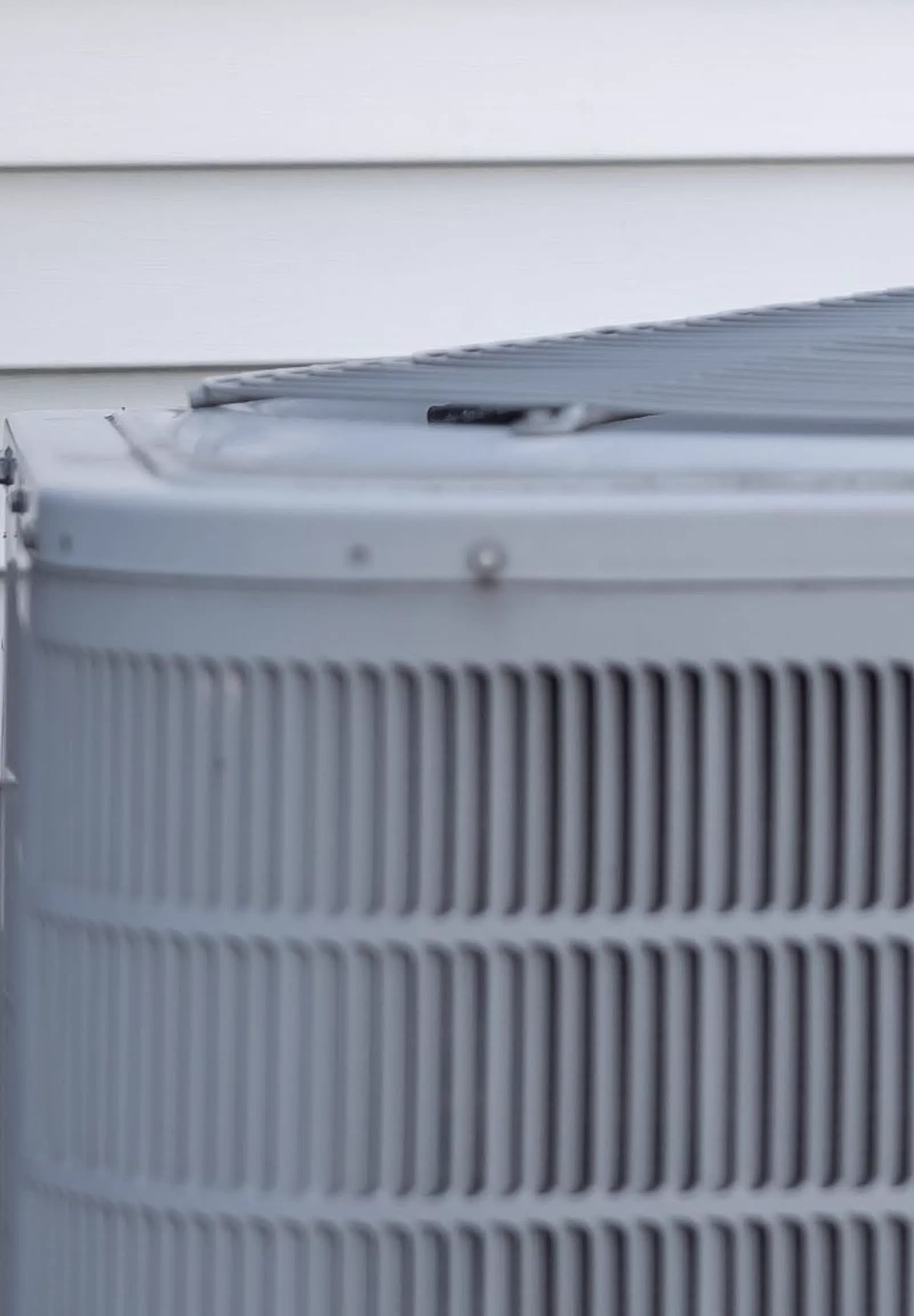
A heat pump is an air conditioner that learned to run in reverse: in summer it moves heat out of your home, in winter it pulls heat from outdoor air and moves it inside. Because it moves heat instead of burning fuel, it can deliver far more heating energy than the electricity it consumes — which is why heat pumps have become a popular choice in moderate climates.
The trade-off is complexity. Reversing valves, defrost cycles, and the balance between the heat pump and backup auxiliary heat all have to work together. When a heat pump runs constantly, blows lukewarm air in winter, or ices up and stays iced, something in that choreography has broken down.
AirFlow HVAC is a free referral service — we don't service heat pumps ourselves. Tell us what yours is doing and we'll connect you with up to three independent local HVAC contractors. AirFlow HVAC connects you with an independent local HVAC pro — you work directly with the pro you choose.
- Typical first step
- Stop the water source, then document everything with photos.
- Emergency capable
- For active emergencies, call and we'll route you immediately.
Warning signs
Signs you need this service
- Lukewarm air in heating mode, or the system can't reach the thermostat setting.
- The outdoor unit ices over and never defrosts.
- Auxiliary or emergency heat running constantly — watch for it on the thermostat.
- The system stuck in one mode — cooling when it should heat, or vice versa.
- Sharp increases in electric bills with no change in weather.
What happens
The process, step by step
Mode and airflow check: the technician confirms what the system is actually doing versus what the thermostat asks.
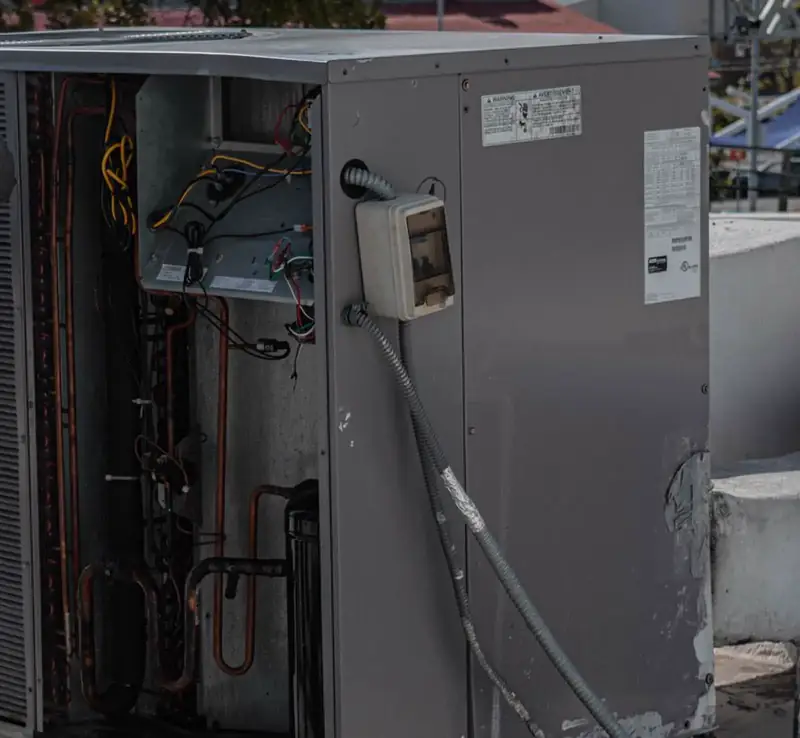
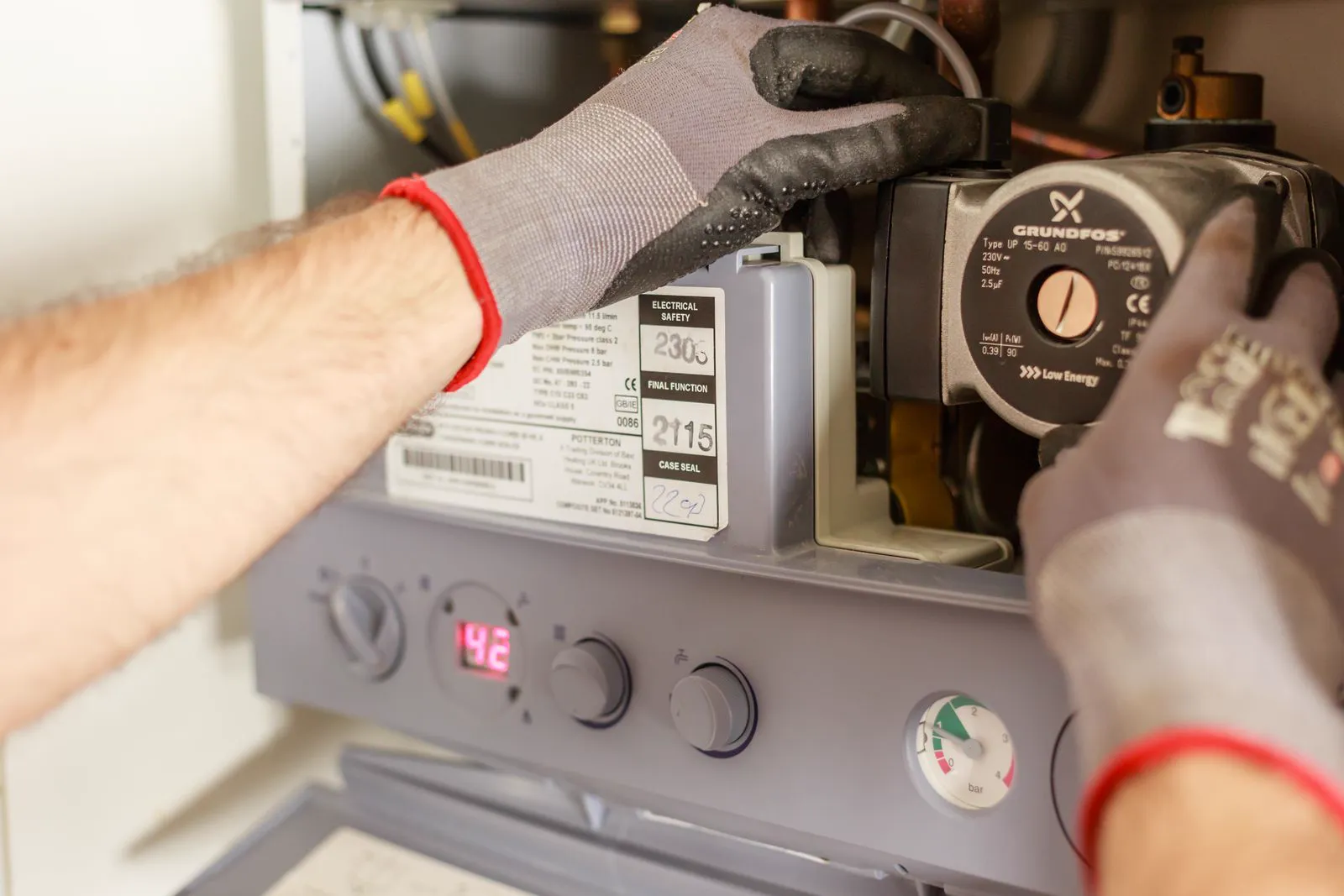
Component testing: reversing valve, defrost controls, refrigerant charge, and auxiliary heat staging are checked.
Repair the fault: the failed part is replaced and refrigerant issues are fixed at the leak, not just topped off.
Verify both modes: heating and cooling cycles are tested before the technician leaves.
Cost factors
What influences the cost
Every job is different, so we won't quote prices sight unseen. These are the factors a pro will weigh when pricing your job:
- What's failed — a defrost sensor is simpler than a reversing valve or compressor.
- Whether the refrigerant leak can be repaired or the coil must be replaced.
- System age and whether it's still under parts warranty.
- Auxiliary heat type — electric strips versus a dual-fuel gas backup.
- Accessibility of the outdoor unit and indoor air handler.
DIY guidance
What you can do — and when to stop
Safe to do yourself
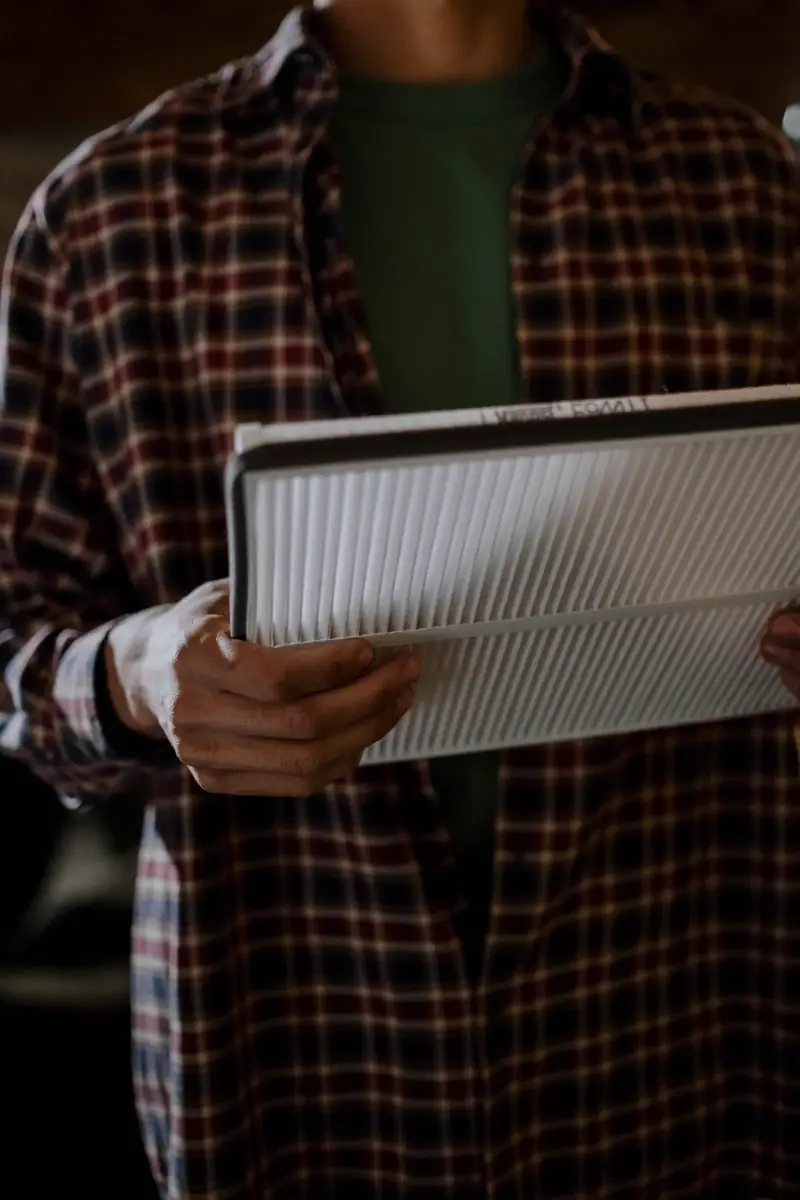
- Replace a dirty air filter — airflow problems hit heat pumps especially hard.
- Keep the outdoor unit clear of leaves, snow, and ice buildup.
- Check the thermostat is set to heat (not emergency heat) in winter.
- Make sure supply and return vents are open and unblocked.
Stop and call a pro
- Chipping ice off the outdoor unit — you can damage the coil fins.
- Switching to emergency heat as a long-term fix — it's far more expensive to run.
- Handling refrigerant lines or electrical components.
- Ignoring a system stuck in defrost or running aux heat constantly.
Frequently asked questions
Serving towns nationwide
Related services
Helpful guides
Heating or cooling problem? Don't wait on it.
Tell us what's happening and we'll connect you with an independent local HVAC technician who fits the job.