Furnace Repair That Brings the Heat Back
Furnace repair covers ignition failures, dead blower motors, faulty flame sensors, cracked heat exchangers, and short cycling. No heat, cold air from the vents, or the furnace shutting off after starting all call for a pro — especially with gas involved. AirFlow HVAC connects you with an independent local HVAC pro — you work directly with the pro you choose.
- Connected with an independent local pro — never a call center queue.
- The process explained up front, before anyone picks up a wrench.
- Serving all 50 states.
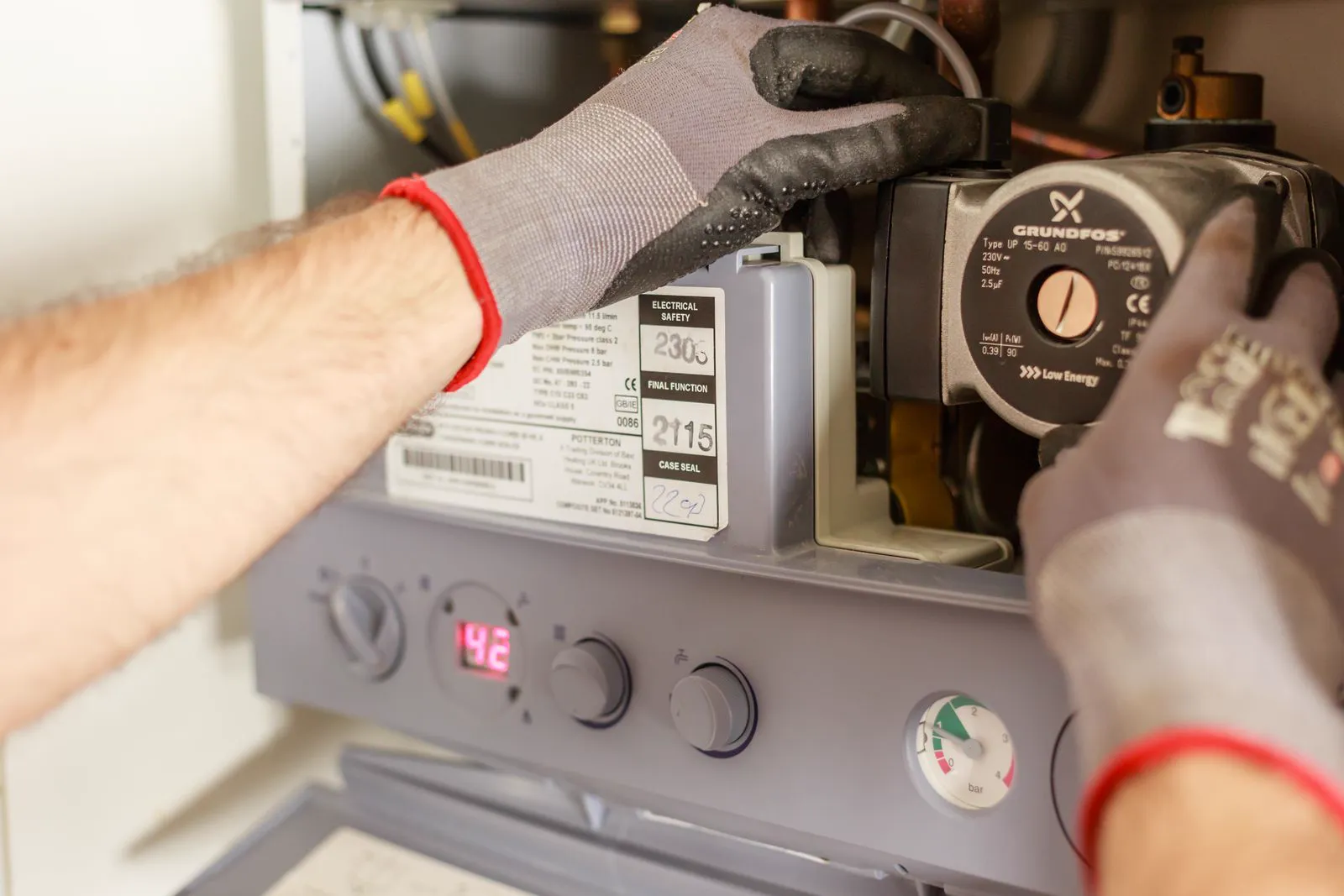
A furnace that won't start on the first cold night of the season is a special kind of stress — and it's often something small: a dirty flame sensor, a failed ignitor, a thermostat that lost its connection. But furnaces burn fuel, so the stakes of guessing wrong are higher than with most appliances.
The failures pros see most are ignition and flame-sensing issues, blower motor problems, and airflow restrictions that trip safety limits. The one failure that matters most is a cracked heat exchanger — it can allow carbon monoxide into your home's air, which is why any suspected crack means shutting the system down immediately.
AirFlow HVAC is a free referral service — we don't repair furnaces ourselves. Describe what's happening and we'll connect you with up to three independent local HVAC contractors. AirFlow HVAC connects you with an independent local HVAC pro — you work directly with the pro you choose.
- Typical first step
- Stop the water source, then document everything with photos.
- Emergency capable
- Yes — call any time water is actively leaking.
Warning signs
Signs you need this service
- No heat at all, or the furnace runs but blows cold or lukewarm air.
- The furnace starts then shuts off after a few minutes — short cycling.
- New or worsening noises: banging on startup, rattling, or high-pitched squealing.
- The pilot won't stay lit, or the burners won't ignite.
- A carbon monoxide detector alarming — leave the home and call emergency services first.
What happens
The process, step by step
Safety first: the technician checks for gas leaks and carbon monoxide before anything else.
Diagnose the fault: ignition, flame sensor, blower, thermostat, and safety switches are tested in sequence.
Repair and verify: the failed component is replaced, then the furnace is run through full heating cycles.
Combustion check: burners and venting are inspected to confirm safe, clean operation.
Cost factors
What influences the cost
Every job is different, so we won't quote prices sight unseen. These are the factors a pro will weigh when pricing your job:
- What's failed — a flame sensor or ignitor is simpler than a blower motor or heat exchanger.
- Furnace type — gas, electric, or oil — and how old the unit is.
- Whether the failure is a single part or a symptom of wider wear.
- Accessibility of the furnace location.
- Any venting or ductwork issues found during the repair.
DIY guidance
What you can do — and when to stop
Safe to do yourself
- Check the thermostat batteries, mode (heat), and temperature setting.
- Replace a dirty furnace filter — restricted airflow trips safety limits.
- Make sure the furnace power switch and breaker are on.
- Check that supply registers and return grilles aren't blocked by furniture.
Stop and call a pro
- Any gas smell — leave the home and call the gas utility immediately.
- Resetting a furnace that keeps locking out — the lockout is protecting you.
- Touching the heat exchanger, burners, or gas valve yourself.
- Ignoring a carbon monoxide alarm — get out first, troubleshoot later.
Frequently asked questions
Serving towns nationwide
Related services
Helpful guides
Heating or cooling problem? Don't wait on it.
Tell us what's happening and we'll connect you with an independent local HVAC technician who fits the job.