Furnace Installation & Replacement
Furnace replacement is worth considering when the unit is aging, repairs are stacking up, or heating bills keep climbing despite maintenance. Gas, electric, and oil each suit different homes — and correct sizing plus proper venting determine safety and comfort. AirFlow HVAC connects you with an independent local HVAC pro — you work directly with the pro you choose.
- Connected with an independent local pro — never a call center queue.
- The process explained up front, before anyone picks up a wrench.
- Serving all 50 states.

Furnaces are long-haul appliances — they heat your home for years, and the one you choose locks in your heating bills and your comfort for a long time. The fuel decision usually makes itself: most homes stick with what's already piped in, since converting from gas to electric or vice versa adds significant cost.
What separates a good furnace install from a bad one is rarely the brand on the box. It's the sizing calculation, the ductwork evaluation, and the venting — a furnace starved of return air or vented improperly will underperform and wear out early no matter how premium the unit.
AirFlow HVAC is a free referral service — we don't install furnaces ourselves. We'll connect you with up to three independent local HVAC contractors so you can compare approaches and quotes. AirFlow HVAC connects you with an independent local HVAC pro — you work directly with the pro you choose.
- Typical first step
- Stop the water source, then document everything with photos.
- Emergency capable
- For active emergencies, call and we'll route you immediately.
Warning signs
Signs you need this service
- The furnace is aging and needing repairs more often.
- Heating bills rising year over year without colder weather to explain it.
- Uneven heating — some rooms hot, others never warm.
- Excessive dust, dryness, or noise from the heating system.
- A cracked heat exchanger or failed major component on an older unit.
What happens
The process, step by step
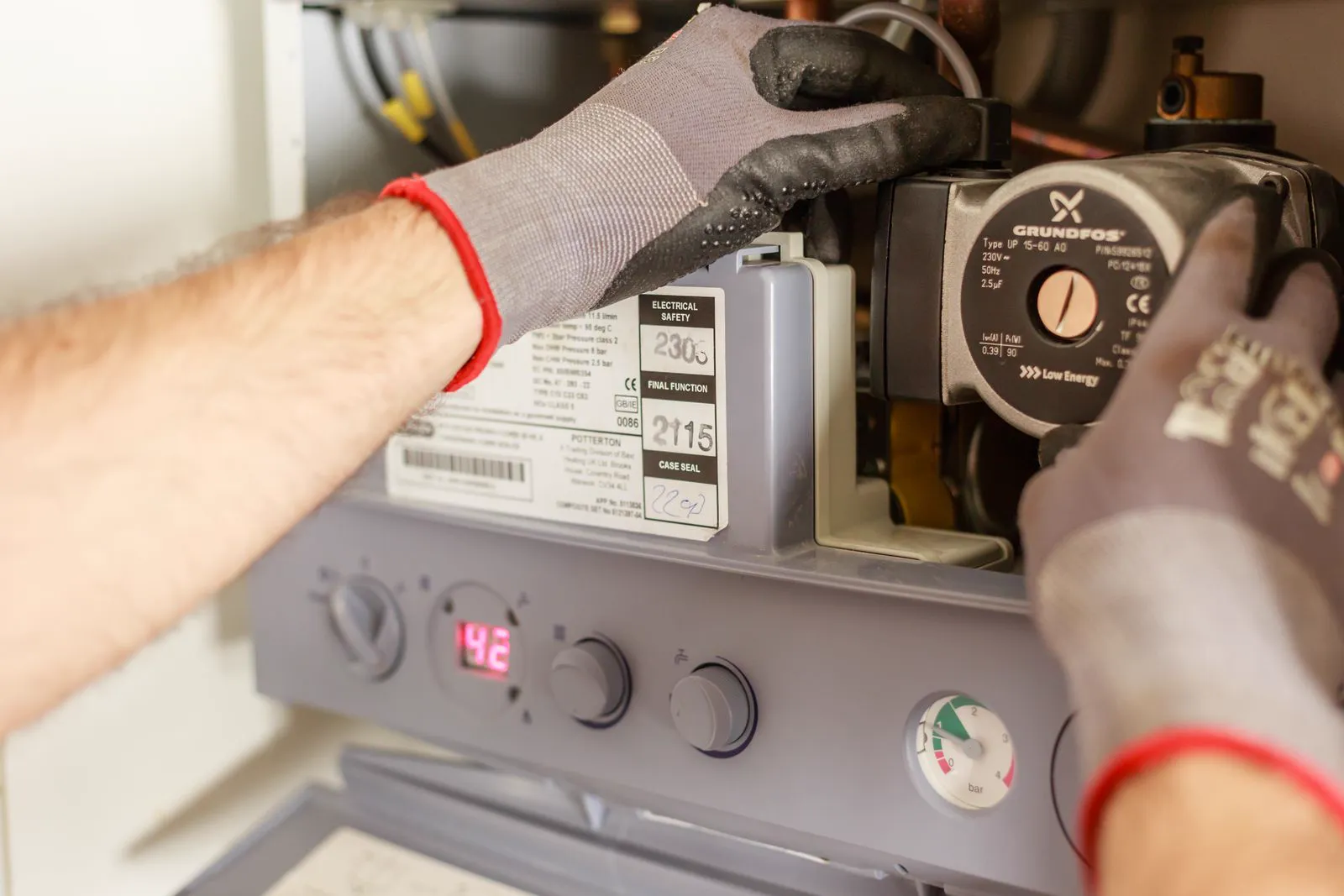
Home assessment: the contractor evaluates your current system, ductwork, venting, and fuel supply.
Proper sizing: a load calculation determines the right capacity — oversized furnaces short-cycle and wear out faster.
Installation: old unit removed, new furnace set, gas/electrical connected, venting installed to code.
Testing and permits: combustion and safety checks run, permits closed out, and warranty registered.
Cost factors
What influences the cost
Every job is different, so we won't quote prices sight unseen. These are the factors a pro will weigh when pricing your job:
- Furnace type and efficiency rating — higher efficiency costs more upfront.
- Fuel type — gas, electric, or oil installations differ in complexity.
- Venting requirements — especially when switching furnace types or locations.
- Ductwork condition and whether modifications are needed.
- Permits, inspections, and old-equipment removal.
DIY guidance
What you can do — and when to stop
Safe to do yourself
- Get multiple quotes and ask how each contractor sized the furnace.
- Confirm the contractor pulls required permits and schedules inspections.
- Clear the work area and a path for equipment removal.
- Ask about warranty terms and registration requirements.
Stop and call a pro
- Installing a gas furnace yourself — gas piping, venting, and combustion safety are pro-only.
- Sizing by the old unit's capacity — the original may have been wrong.
- Skipping the ductwork evaluation — new equipment on bad ducts disappoints.
- Running a new furnace without proper venting — carbon monoxide risk.
Frequently asked questions
Serving towns nationwide
Related services
Helpful guides
Heating or cooling problem? Don't wait on it.
Tell us what's happening and we'll connect you with an independent local HVAC technician who fits the job.