Short answer
A furnace generates heat by burning fuel or using electric resistance, delivering strong heat in any weather. A heat pump moves heat from outdoor air, heating and cooling efficiently but losing capacity in extreme cold. Climate, existing fuel type, and ductwork usually decide. In mild-to-moderate climates a heat pump often wins; in bitter cold, furnaces or dual-fuel setups shine.
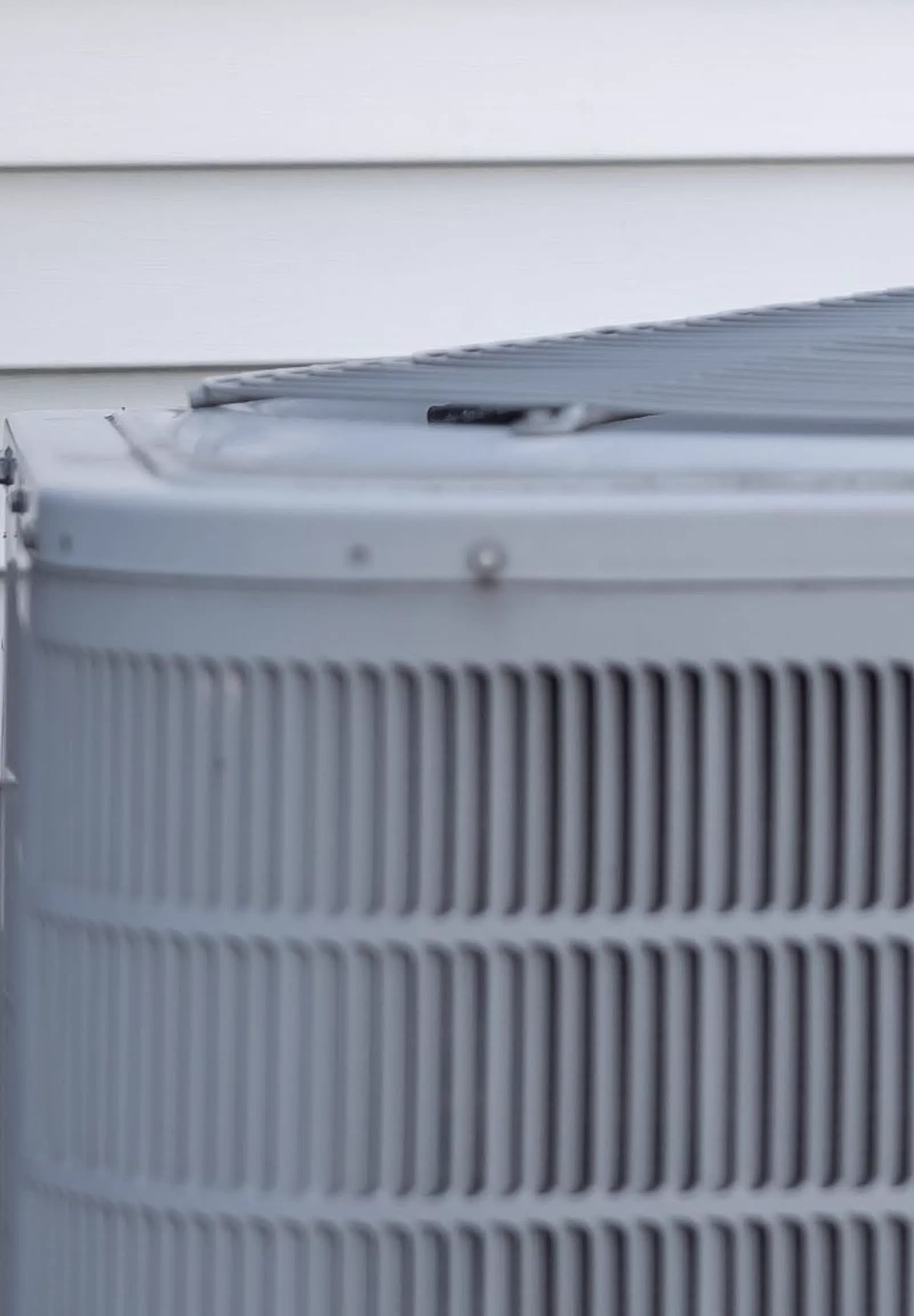
How a furnace works
A furnace creates heat: gas and oil furnaces burn fuel in a heat exchanger, while electric furnaces pass air over superheated resistance elements. A blower then pushes that heated air through your ductwork. Because it generates heat rather than moving it, a furnace delivers full heating capacity no matter how cold it gets outside.
The key efficiency rating is AFUE — annual fuel utilization efficiency — which describes how much of the fuel becomes usable heat versus going up the flue. Gas furnaces dominate in cold climates and in homes that already have gas service; electric furnaces are cheaper to install but costlier to run, since electric resistance heat uses a lot of electricity.
How a heat pump works
A heat pump does not create heat — it moves it. In winter it extracts heat from outdoor air (yes, even cold air contains heat energy) and pumps it inside; in summer it reverses and works exactly like an air conditioner, moving heat out of your home. One system handles both heating and cooling.
Because moving heat takes less energy than creating it, heat pumps heat very efficiently in mild-to-moderate cold — but capacity and efficiency decline as outdoor temperatures drop toward extreme cold. Modern cold-climate heat pumps perform far better in low temperatures than older models, which is why the 'heat pumps do not work in the cold' rule is increasingly outdated — though every system has its limits.
Climate: the deciding factor
Climate usually decides before you do. In regions with mild winters, a heat pump handles heating comfortably while also replacing the air conditioner — one system, year-round. In regions with long stretches of bitter cold, a furnace's guaranteed capacity matters, or a heat pump paired with backup heat.
Consider your actual winter, not the brochure's: how many nights drop into extreme cold, how long cold snaps last, and what your current system struggles with. A heat pump sized for a mild climate will run constantly and lean on expensive backup heat during a polar vortex — proper sizing for your real climate is everything.
Ductwork, fuel type, and your existing setup
Both furnaces and central heat pumps need ductwork, so homes with existing ducts can usually accept either. Homes without ducts face a bigger decision: install ductwork, or use ductless mini-split heat pumps that mount on walls with only a small line set connecting indoor and outdoor units.
Existing fuel type heavily influences cost. A home with gas service and gas lines already run to the furnace location replaces a furnace cheaply; switching that home to an all-electric heat pump may require electrical panel upgrades. Conversely, an all-electric home compares electric furnace versus heat pump, where the heat pump's efficiency advantage is usually decisive.
Dual-fuel: the middle path
A dual-fuel (hybrid) system pairs a heat pump with a gas furnace. The heat pump handles heating efficiently through mild and moderate cold, and the furnace takes over automatically when temperatures drop past the point where the heat pump is the economical choice. You get efficient heating most of the winter plus guaranteed capacity in the worst of it.
Dual-fuel makes the most sense in cold climates where a heat pump alone would struggle, in homes that already have gas service, and where electricity rates are high relative to gas. It costs more upfront than either system alone — the payback depends on your climate and utility rates.
Questions to ask before you buy
Ask any contractor bidding the job: will you perform a Manual J load calculation to size the system, or are you quoting the same size as the old unit? How does this equipment perform at my area's design winter temperature? What backup or auxiliary heat is included, and at what temperature does it engage? What are the warranty terms on parts and labor, and who registers the equipment warranty?
Get at least two quotes, compare the full scope (equipment, ductwork modifications, electrical work, permits, thermostat), and be skeptical of anyone who sizes by square footage alone or pushes the largest unit. An oversized furnace short-cycles and wastes fuel; an oversized heat pump short-cycles and dehumidifies poorly in summer.