Emergency HVAC Repair When You Can't Wait
Emergency HVAC repair is urgent service when your heating fails in freezing weather or your cooling quits in a heat wave — when comfort becomes a safety issue. Turn the system off if you smell gas or burning, then call. AirFlow HVAC connects you with an independent local HVAC pro — you work directly with the pro you choose.
- Connected with an independent local pro — never a call center queue.
- The process explained up front, before anyone picks up a wrench.
- Serving all 50 states.
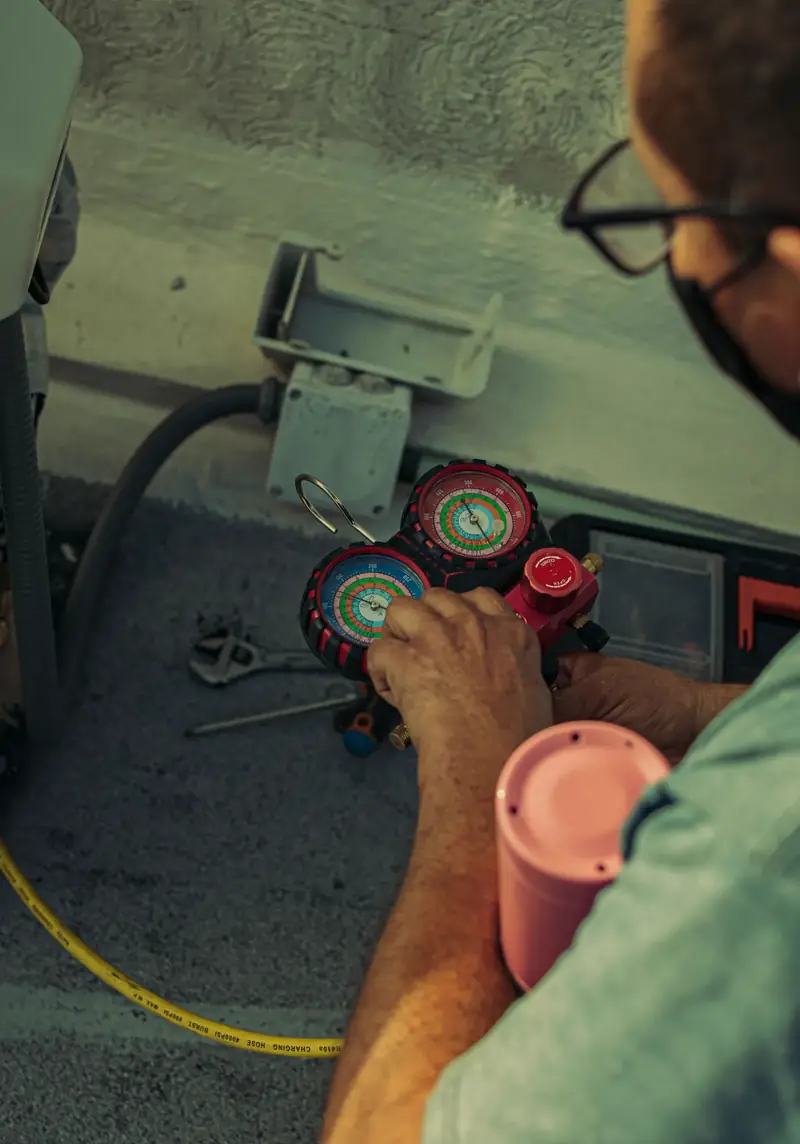
A dead furnace in freezing weather or a dead air conditioner in a heat wave is more than an inconvenience — for the very young, the elderly, and anyone with health conditions, it can become dangerous fast. Emergency HVAC service exists for exactly these windows, when waiting for normal business hours isn't a safe option.
AirFlow HVAC is a free referral service. We do not perform HVAC work ourselves. When you request help, we share your details with up to three independent local HVAC contractors so they can contact you about your situation. AirFlow HVAC connects you with an independent local HVAC pro — you work directly with the pro you choose.
- Typical first step
- Stop the water source, then document everything with photos.
- Emergency capable
- Yes — call any time water is actively leaking.
Warning signs
Signs you need this service
- No heat at all when temperatures are at or below freezing.
- No cooling during extreme heat, especially with vulnerable people in the home.
- The smell of gas or burning near the furnace — shut it off and leave the area.
- Water leaking from the indoor air handler onto floors or ceilings.
- A system making loud banging, screeching, or grinding noises before quitting.
What happens
The process, step by step
Make it safe first: turn the system off, shut off gas to the furnace if you smell gas, and move belongings away from any water.
Call and describe the situation: the pro triages by phone — what's failing, what you're smelling or hearing, and who's in the home.
Stabilize on arrival: the technician stops the immediate problem and restores safe operation.
Plan the lasting fix: once the emergency is controlled, you get options for the permanent repair from the pro.
Cost factors
What influences the cost
Every job is different, so we won't quote prices sight unseen. These are the factors a pro will weigh when pricing your job:
- Time of call — nights, weekends, and holidays typically carry an emergency rate.
- What's failing — a thermostat or capacitor is simpler than a failed compressor or heat exchanger.
- System type and age — older or discontinued equipment can need harder-to-source parts.
- Access — attics, crawl spaces, and rooftops add labor time.
- Whether temporary stabilization and a follow-up visit are both needed.
DIY guidance
What you can do — and when to stop
Safe to do yourself
- Turn the system off at the thermostat and breaker if something smells or sounds wrong.
- Check the thermostat batteries and settings before assuming the worst.
- Make sure the furnace switch and the outdoor disconnect are on.
- Move belongings away from water leaking from the indoor unit.
Stop and call a pro
- Any gas smell — leave the home and call the gas utility, not a DIY forum.
- Opening the furnace cabinet or handling electrical components beyond the breaker.
- Resetting a tripped breaker repeatedly — it trips for a reason.
- Handling refrigerant lines or the compressor — that's pro-only work.
Frequently asked questions
Serving towns nationwide
Related services
Helpful guides
Heating or cooling problem? Don't wait on it.
Tell us what's happening and we'll connect you with an independent local HVAC technician who fits the job.