Air Conditioner Repair That Restores Real Cooling
AC repair covers the faults that kill cooling: refrigerant leaks, failed capacitors and contactors, frozen coils, or bad thermostats. Warm air, short cycling, ice on the lines, or water pooling by the air handler all point to a pro visit. AirFlow HVAC connects you with an independent local HVAC pro — you work directly with the pro you choose.
- Connected with an independent local pro — never a call center queue.
- The process explained up front, before anyone picks up a wrench.
- Serving all 50 states.
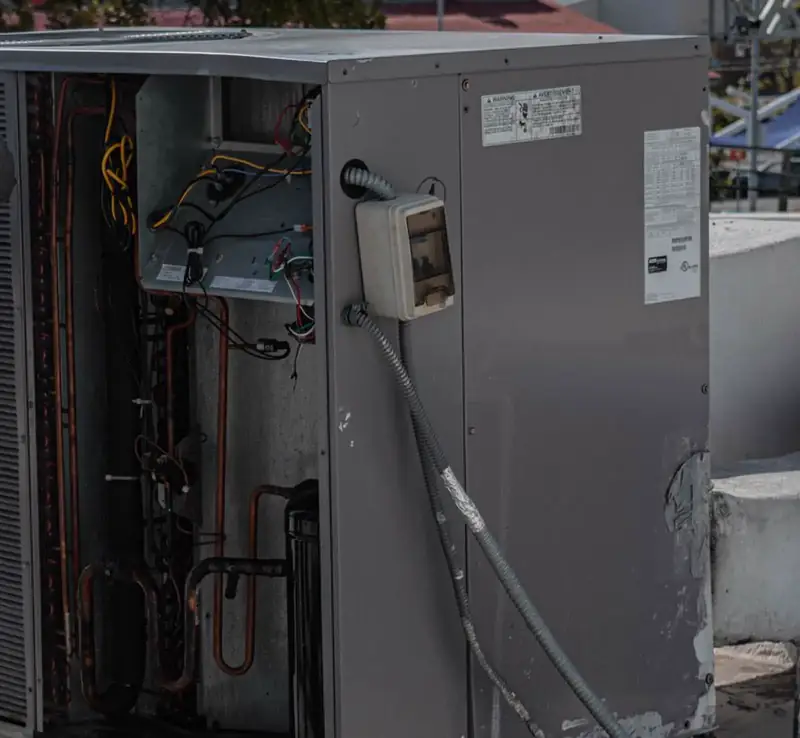
Air conditioners rarely die without warning — they whisper first. Cooling that fades on the hottest afternoons, cycles that get shorter and more frequent, a faint hissing, ice forming on the refrigerant lines: these are the early symptoms of the faults that eventually shut the system down.
Most AC failures trace back to a short list: low refrigerant from a leak, a worn capacitor that can't start the compressor or fan, a frozen evaporator coil starved of airflow, or a thermostat misreading the room. A good technician diagnoses before replacing — the symptom tells you where to look, but testing tells you what's actually wrong.
AirFlow HVAC is a free referral service — we don't do repairs ourselves. Tell us what your system is doing, and we'll connect you with up to three independent local HVAC contractors. AirFlow HVAC connects you with an independent local HVAC pro — you work directly with the pro you choose.
- Typical first step
- Stop the water source, then document everything with photos.
- Emergency capable
- Yes — call any time water is actively leaking.
Warning signs
Signs you need this service
- Warm or only slightly cool air from the vents.
- The system short-cycles — turning on and off every few minutes.
- Ice or frost on the refrigerant lines or the outdoor unit.
- Water pooling around the indoor air handler — a clogged condensate drain.
- Unusual noises: grinding, squealing, hissing, or loud buzzing on startup.
What happens
The process, step by step
Symptom check: the technician listens to what's happening and checks thermostat, airflow, and filters first.
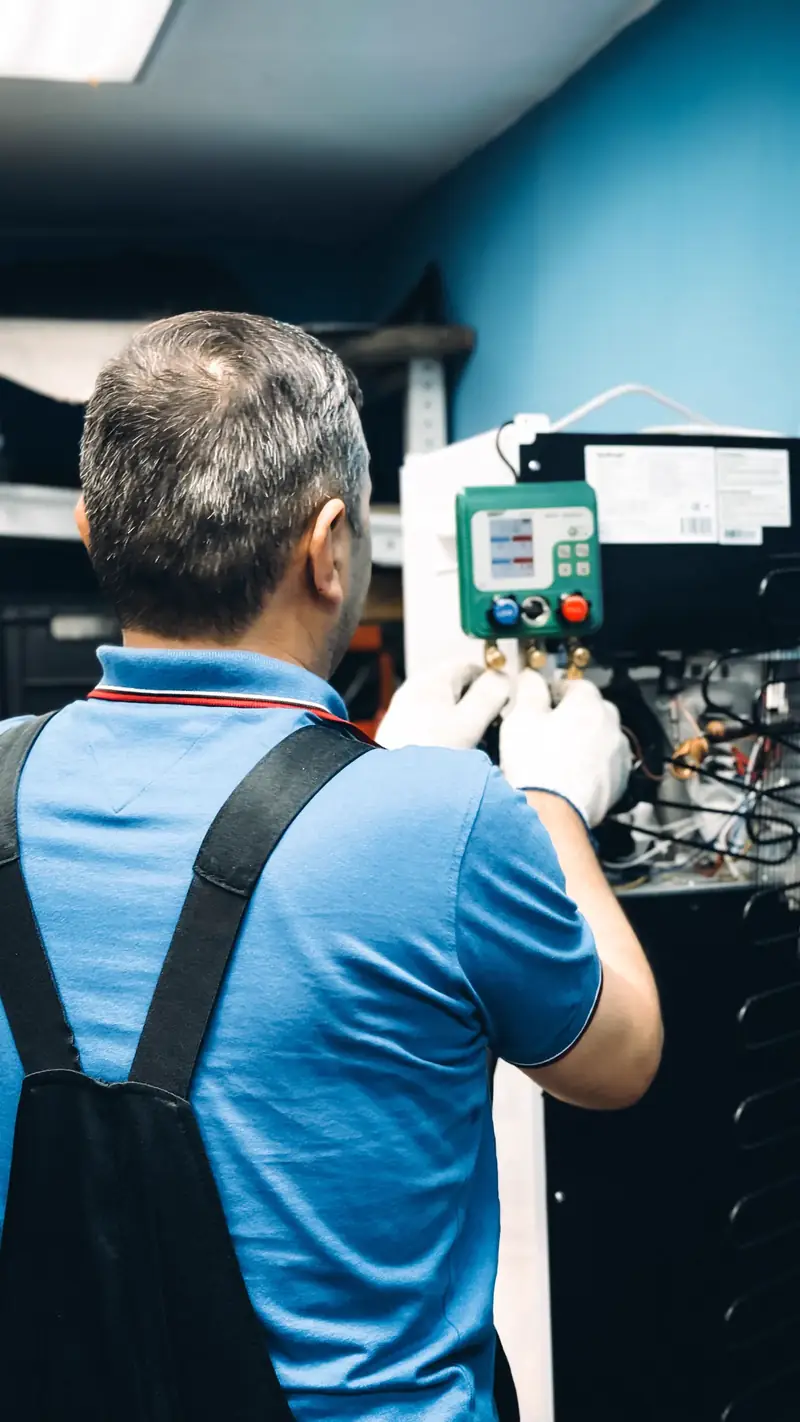
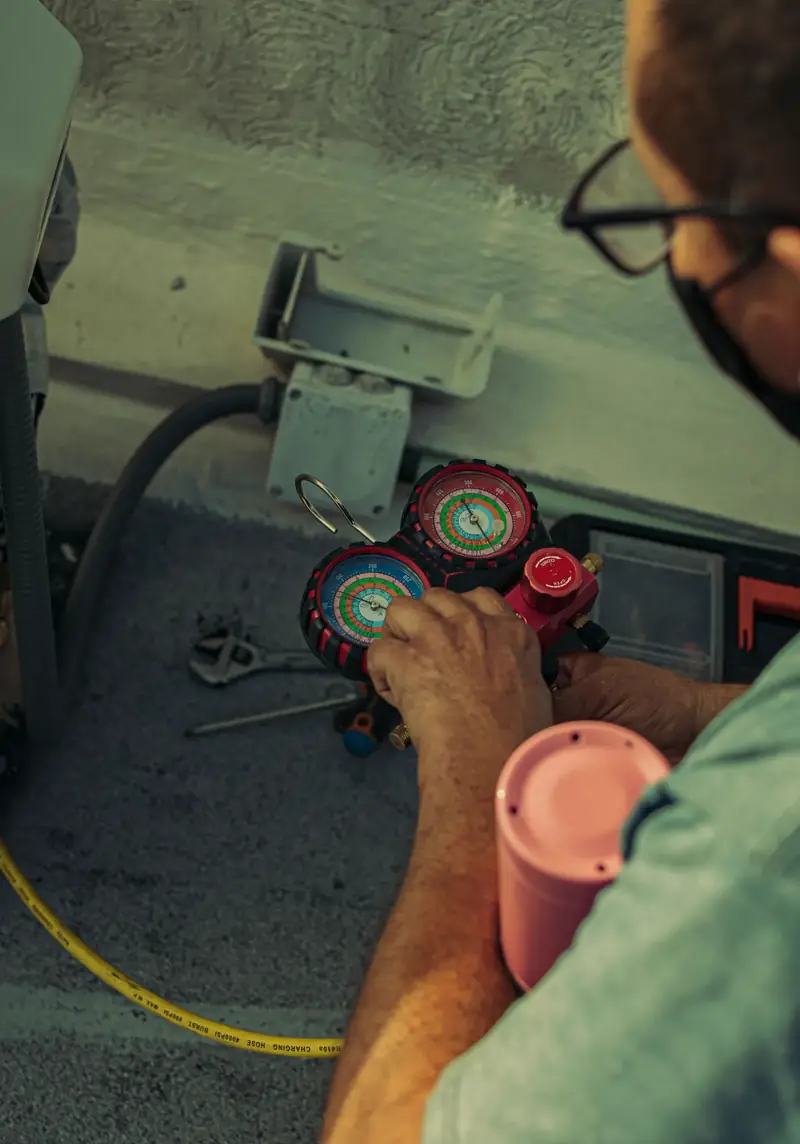
Electrical and mechanical testing: capacitors, contactors, motors, and refrigerant pressures get measured, not guessed.
Repair the fault: the failed part is replaced or the leak repaired, then the system is recharged only after the leak is fixed.
Verify cooling: supply-air temperature and cycle behavior are checked before the technician leaves.
Cost factors
What influences the cost
Every job is different, so we won't quote prices sight unseen. These are the factors a pro will weigh when pricing your job:
- What's failed — a capacitor or contactor is simpler than a compressor or coil replacement.
- Refrigerant type and whether a leak must be found and repaired first.
- System age and whether parts are still readily available.
- How long the problem ran before the call — frozen coils and burnt motors compound.
- Accessibility of the indoor air handler and outdoor condenser.
DIY guidance
What you can do — and when to stop
Safe to do yourself
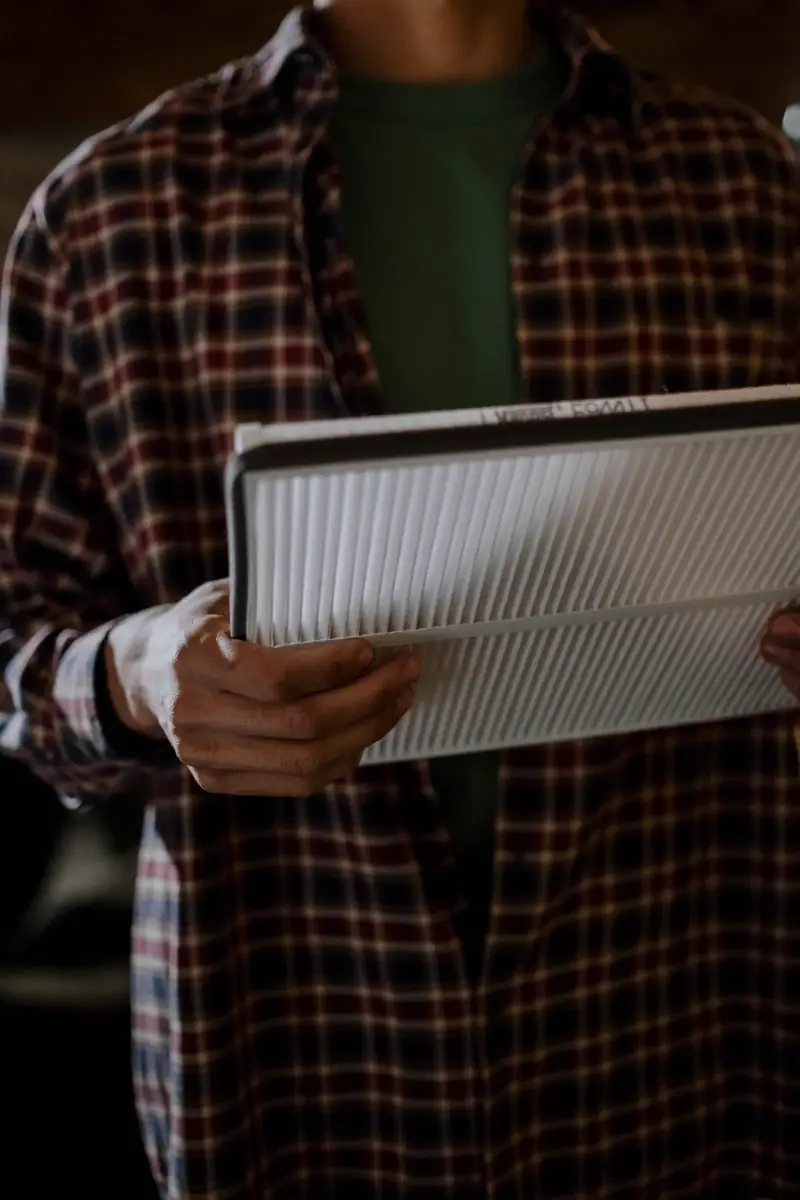
- Replace a dirty air filter — restricted airflow causes freezing and short cycling.
- Check the thermostat batteries, mode, and temperature setting.
- Clear leaves, grass, and debris from around the outdoor condenser.
- Check that the condensate drain line outside isn't visibly blocked.
Stop and call a pro
- Opening the electrical panel or handling capacitors — they store a charge even with power off.
- Adding refrigerant yourself — handling it requires certification and the leak still needs fixing.
- Ignoring ice on the lines — running a frozen system damages the compressor.
- Repeatedly resetting a tripped breaker feeding the AC.
Frequently asked questions
Serving towns nationwide
Related services
Helpful guides
Heating or cooling problem? Don't wait on it.
Tell us what's happening and we'll connect you with an independent local HVAC technician who fits the job.