Air Conditioner Installation & Replacement
AC replacement makes sense when repairs repeat, the system uses phased-out refrigerant, or a major component fails on an older unit. Proper sizing — a Manual J load calculation, not a rule of thumb — determines comfort and efficiency. AirFlow HVAC connects you with an independent local HVAC pro — you work directly with the pro you choose.
- Connected with an independent local pro — never a call center queue.
- The process explained up front, before anyone picks up a wrench.
- Serving all 50 states.
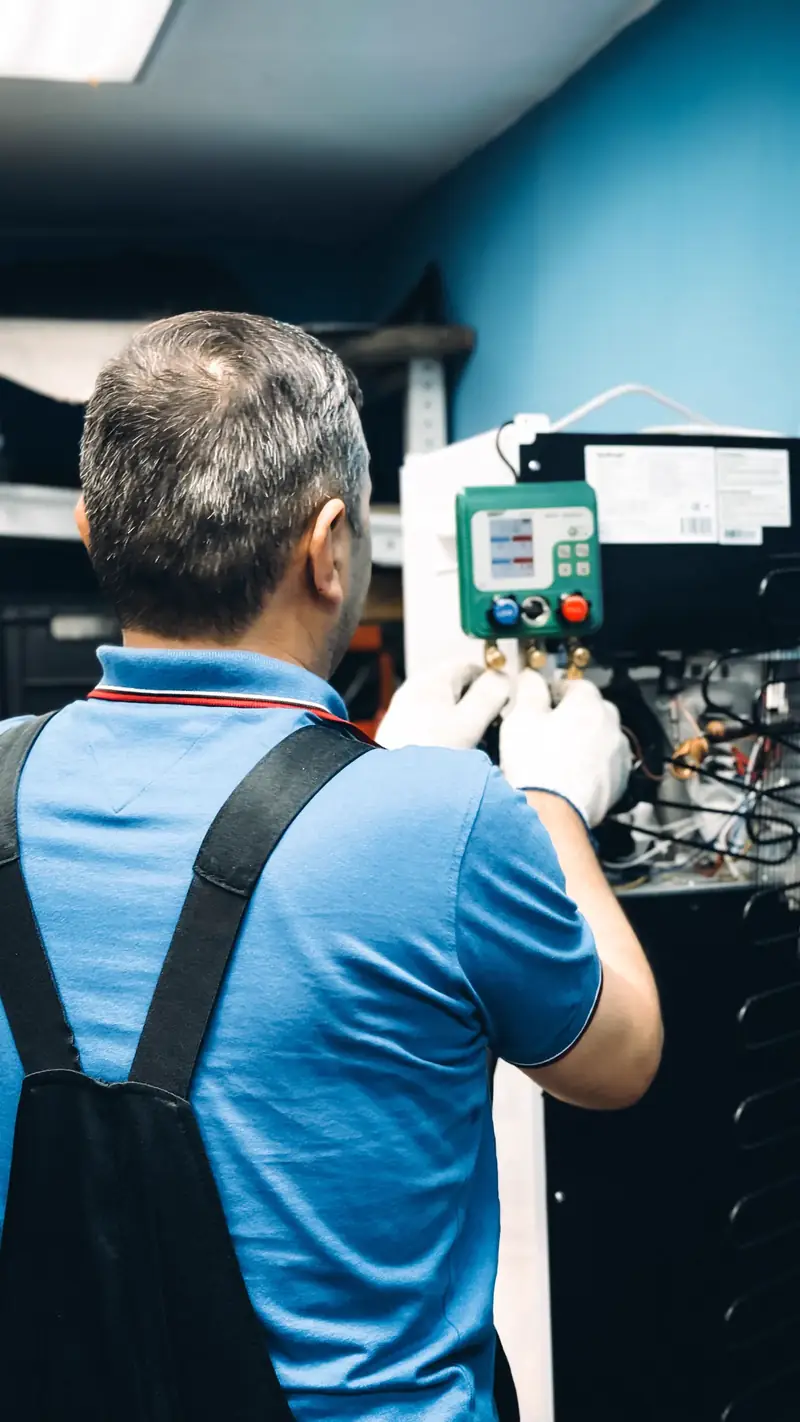
The most expensive air conditioner is the wrong-sized one. An oversized unit short-cycles — cooling fast but never running long enough to dehumidify, leaving you cold and clammy. An undersized one runs forever on hot days and never catches up. Correct sizing, based on a load calculation of your actual home, matters more than any brand name or efficiency rating.
Replacement is also the moment to fix the sins of the original install: undersized ductwork, a poorly placed thermostat, or a condenser baking in full sun with no airflow. A good installer treats the system as a whole — equipment, ducts, and airflow together.
AirFlow HVAC is a free referral service — we don't install equipment ourselves. We'll connect you with up to three independent local HVAC contractors so you can compare sizing approaches and quotes. AirFlow HVAC connects you with an independent local HVAC pro — you work directly with the pro you choose.
- Typical first step
- Stop the water source, then document everything with photos.
- Emergency capable
- For active emergencies, call and we'll route you immediately.
Warning signs
Signs you need this service
- Repairs becoming frequent or a major component failing on an older system.
- Rising energy bills with no change in usage patterns.
- Rooms that never get comfortable despite the system running constantly.
- The system uses a phased-out refrigerant that's costly to recharge.
- Excessive humidity indoors even when the AC runs.
What happens
The process, step by step
Load calculation: the contractor measures your home and calculates actual cooling needs — not a guess based on square footage.
System selection: capacity, efficiency rating, and features matched to your home and budget.
Installation day: old equipment removed, new condenser and air handler or coil set, refrigerant lines and electrical connected.
Commissioning: refrigerant charge, airflow, and thermostat calibration verified before sign-off.
Cost factors
What influences the cost
Every job is different, so we won't quote prices sight unseen. These are the factors a pro will weigh when pricing your job:
- System size and efficiency rating — higher efficiency costs more upfront.
- Whether ductwork needs modification, repair, or replacement.
- Electrical upgrades — panel capacity or new circuits for the equipment.
- Accessibility of the install locations.
- Removal and disposal of the old equipment.
DIY guidance
What you can do — and when to stop
Safe to do yourself
- Get multiple quotes and ask each bidder how they sized the system.
- Check that the contractor pulls required permits.
- Clear access to the install areas before installation day.
- Ask about warranty registration — many require it within a set window.
Stop and call a pro
- Installing a central AC yourself — refrigerant handling, electrical, and permits require pros.
- Sizing by square footage alone — it ignores insulation, windows, and orientation.
- Skipping permits to save time — unpermitted work creates problems at resale.
- Choosing purely on price without comparing what's actually included.
Frequently asked questions
Serving towns nationwide
Related services

Helpful guides
Heating or cooling problem? Don't wait on it.
Tell us what's happening and we'll connect you with an independent local HVAC technician who fits the job.